
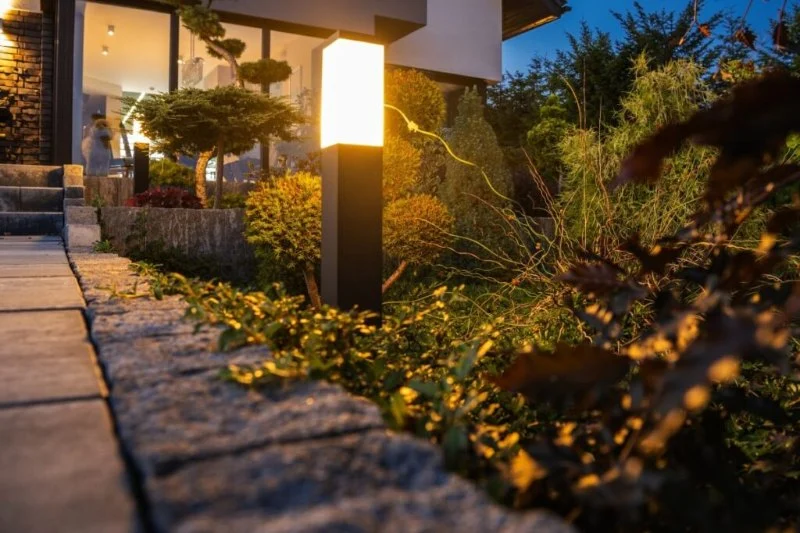
How to Plan Landscape Lighting to Save Electricity Without Losing Beauty
- Energy-efficient-landscape-lighting-planning-principles-and-core-ideas
- Smart-layout-strategies-for-outdoor-lighting-and-electricity-reduction
- LED-and-solar-options-for-modern-energy-saving-garden-design
- Real-home-case-study-of-low-energy-outdoor-lighting-setup
- Common-mistakes-that-increase-electricity-use-in-landscape-lighting
- Professional-tips-and-long-term-maintenance-for-efficient-systems
Understanding the Real Goal Behind Energy-Saving Landscape Lighting
When homeowners first think about how to plan landscape lighting to save electricity, the instinct is often to simply buy low-wattage bulbs. But efficient outdoor lighting is not just about the bulbs—it’s about design thinking, placement strategy, timing control, and long-term system planning.
In many suburban American homes, outdoor lighting is left running longer than necessary or installed without considering zoning. The result is wasted electricity and uneven illumination that doesn’t actually improve safety or aesthetics. Smart planning changes everything by making every watt count.
Design First: Why Layout Matters More Than Fixtures
A common mistake is purchasing lights before designing the layout. Energy efficiency begins with understanding where light is actually needed. Not every tree, pathway, or wall requires illumination.

1. Focus on Functional Zones
Instead of lighting the entire yard, divide the outdoor space into functional zones such as walkways, entry points, seating areas, and focal landscaping elements. This prevents unnecessary energy consumption.
2. Use Darkness as a Design Tool
A surprising concept in modern landscape design is intentional darkness. Leaving some areas unlit creates contrast, which enhances visual impact while reducing electricity usage significantly.
3. Prioritize Safety Over Decoration
Steps, driveways, and entrances should always take priority. Decorative lighting should be secondary, ensuring that energy is not wasted on non-essential illumination.
Choosing Energy-Efficient Lighting Technology
Technology plays a major role in reducing outdoor electricity costs. The shift from halogen to LED and solar systems has transformed how homeowners approach garden lighting design.
LED Lighting as the Foundation
LED fixtures consume up to 80% less energy than traditional incandescent bulbs. They also last significantly longer, reducing replacement costs and environmental impact.
Solar Lighting Integration
Solar-powered landscape lights are increasingly popular for pathway and accent lighting. While they may not be suitable for high-intensity needs, they are excellent for low-demand decorative areas.
Smart Dimming Systems
Modern systems allow homeowners to adjust brightness levels automatically based on time or motion detection. This ensures lights only use full power when necessary.
Smart Layout Strategies That Reduce Electricity Waste
Proper planning is where real savings happen. Even the most efficient bulbs will waste energy if placed incorrectly.
Layered Lighting Design
Instead of using one bright floodlight, layered lighting combines low-intensity fixtures at different heights. This creates depth while consuming less energy overall.
Directional Lighting Instead of Flooding
Focused beam lights reduce spillover and prevent energy from being wasted illuminating unnecessary areas like the sky or neighboring properties.
Timer-Based Control Systems
Installing timers ensures that lights automatically shut off during late-night hours when no one is outside, significantly reducing electricity bills.
Real Home Case Study: A Suburban Energy Reduction Transformation
A homeowner in Arizona once reported extremely high electricity bills due to 24/7 outdoor lighting. Their original system included halogen floodlights covering the entire yard.
After redesigning the system using energy-saving principles—switching to LED fixtures, introducing motion sensors, and zoning lighting into three categories—the household reduced outdoor electricity usage by nearly 65%.
The most surprising change was not visual darkness but improved aesthetics. By removing unnecessary lights and focusing on architectural highlights, the home actually looked more elegant at night.
This real-world example demonstrates that learning how to plan landscape lighting to save electricity is not about sacrifice—it’s about smarter design choices.
Common Mistakes That Increase Electricity Consumption
Over-Illuminating the Entire Yard
Many homeowners assume brighter equals better. In reality, excessive lighting increases energy waste and reduces visual comfort.
Ignoring Fixture Positioning
Poor placement often causes light overlap, where multiple fixtures illuminate the same space unnecessarily.
Skipping Maintenance
Dirty lenses, misaligned fixtures, and outdated bulbs all contribute to inefficient energy usage over time.
Professional Techniques for Long-Term Energy Efficiency
Motion Sensors for Adaptive Lighting
Motion detection ensures lights only activate when movement is detected, ideal for driveways and entry paths.
Smart Home Integration
Modern landscape lighting systems can connect to smart home platforms, allowing users to schedule and control lighting remotely.
Seasonal Adjustment Planning
Adjusting lighting schedules based on seasonal daylight changes ensures energy is never wasted during longer daylight months.
Homeowners looking to upgrade or redesign their systems often explore professional solutions through platforms like Beautiful Landscapes, where curated lighting ideas and energy-efficient outdoor design concepts can help transform any yard into a balanced, low-consumption environment.
Why Efficient Landscape Lighting Is Becoming a Design Standard
Energy-efficient outdoor lighting is no longer just a cost-saving measure—it has become a design expectation. Homeowners want visually appealing spaces that do not lead to unnecessary electricity expenses.
As technology continues to improve, combining LED systems, smart controls, and thoughtful design will make it easier than ever to achieve beautiful outdoor environments without excessive power consumption.
Ultimately, mastering how to plan landscape lighting to save electricity is about balancing aesthetics, functionality, and sustainability in a way that enhances both lifestyle and long-term cost efficiency.





 Barnes Construction and Lawn Care5.0 (2 reviews)
 M&D Landscaping And Home Improvements2.0 (1 reviews)
 Lawn Tamer LLC4.0 (12 reviews)
 Wells Landscaping5.0 (50 reviews)
 Royal Oak Landscaping4.0 (9 reviews)
 True Vine Landscaping and Lawn Care, LLC4.0 (8 reviews)
 Trends in Landscape Design for 2025: What’s In and What’s Out
 How to Use Garden Structures to Frame Outdoor Views
 How to Choose Outdoor Furniture That Complements Landscape
 How to Design a Backyard Entertainment Zone
 How to Care for a Newly Planted Landscape for Healthy Growth
 How to Design for Low-Light Outdoor Areas