
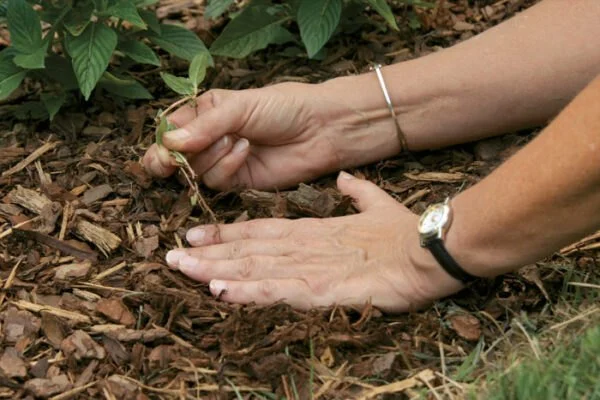
1. The Importance of Mulch in Gardening
- Retaining Moisture in the Soil
- Controlling Weeds Naturally
- Types of Mulch to Consider
- How to Apply Mulch Correctly
2. Retaining Moisture in the Soil with Mulch
Mulch plays a vital role in maintaining moisture in your garden soil, particularly in hot climates where water evaporation is high. By applying a layer of mulch, you create a protective barrier that reduces water loss, keeping the soil moist for longer periods.
For example, gardeners in dry areas often use organic mulch like straw or wood chips to keep their plants hydrated. A good rule of thumb is to apply mulch in a 2- to 3-inch layer around your plants, ensuring that it is not touching the stems or trunks to avoid rotting. This moisture-retention strategy not only saves water but also reduces the frequency of irrigation, making it a sustainable choice.

3. Controlling Weeds Naturally
Weeds are a common challenge for gardeners, but mulch can significantly reduce their growth. The dense layer of mulch prevents sunlight from reaching weed seeds, inhibiting their ability to germinate. This is a natural and chemical-free way to control weeds without using herbicides.
One case that illustrates the power of mulch in weed control is a community garden project where gardeners applied a thick layer of organic mulch to their vegetable beds. Over time, the mulch smothered the weeds, leaving the vegetables to flourish with little maintenance. If you struggle with weeds, mulch could be the key to making your garden healthier and more manageable.
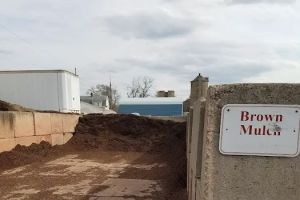
4. Types of Mulch to Consider
There are various types of mulch available, each offering different benefits for your garden:
- Organic Mulch: Made from natural materials like wood chips, straw, grass clippings, and leaves. It enriches the soil as it decomposes, improving soil structure and nutrient content.
- Inorganic Mulch: Includes materials like rubber, landscape fabric, or gravel. While it does not decompose, it is excellent for moisture retention and weed control in areas with low organic material.
The choice between organic and inorganic mulch depends on your garden's needs. Organic mulch is perfect for vegetable and flower gardens, while inorganic mulch can be ideal for decorative garden beds or pathways. Whichever type you choose, remember to consider factors like climate, plant types, and your garden’s aesthetic.
5. How to Apply Mulch Correctly
Applying mulch correctly is essential to maximize its benefits. Follow these simple steps to apply mulch effectively:
- Prepare the Soil: Before applying mulch, ensure that the soil is clean and weed-free. If possible, water the soil to provide a moist base.
- Spread the Mulch Evenly: Apply a 2- to 3-inch layer of mulch evenly around your plants. Avoid piling it up around the stems or tree trunks to prevent moisture buildup that can cause rot.
- Monitor Mulch Depth: Over time, mulch may decompose or shift. Replenish the mulch as needed to maintain the correct depth for maximum moisture retention and weed control.
For example, one gardener shared how they struggled with dry patches in their vegetable garden. After applying a generous layer of mulch, they noticed a significant improvement in the moisture level, reducing the need for daily watering. For best results, choose mulch that suits your garden's specific needs and climate conditions.
6. The Benefits of Mulching for Garden Health
- Improved soil structure and fertility
- Temperature regulation for plant roots
- Enhanced plant growth with fewer weeds
In addition to moisture retention and weed control, mulching provides numerous other benefits. It helps regulate soil temperature, keeping it cooler during hot summers and warmer in colder months. Moreover, organic mulches slowly decompose, adding valuable nutrients to the soil, which supports plant growth. This holistic approach to gardening improves not just the aesthetics but the long-term health of your garden.
For more tips and high-quality mulch products, visit Beautiful Landscapes, where you can find the best mulch options tailored to your gardening needs.

 Shawnee Landscaping4.0 (12 reviews)
 The Lawn Shark LLC5.0 (13 reviews)
 Vermillion Ridge Services0.0 (0 reviews)
 Trees Above Lawns Below4.0 (12 reviews)
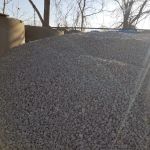 E&O Landscaping5.0 (9 reviews)
 Inspire Outdoor Living, Inc.5.0 (90 reviews)
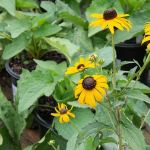 How to Plant for Delayed Blooming to Extend Season
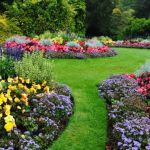 How to Choose Plants That Don’t Compete: A Guide for Perfect Landscaping
 How to Plan Vertical & Horizontal Plant Movement for a Thriving Garden
 How to Incorporate Steps & Elevation Into Design
 How to Choose Outdoor Furniture That Complements Landscape
 Best Ground Covers for Slopes & Erosion Control: Affordable and Effective Solutions