
- terracotta-natural-materials-garden-basics - creating-warm-organic-outdoor-spaces
- choosing-terracotta-elements - pots-tiles-and-garden-features
- natural-materials-for-garden-design - stone-wood-bamboo-and-more
- combining-plants-and-materials - building-balanced-garden-compositions
- sustainable-garden-landscaping - environmentally-friendly-material-choices
- professional-garden-design-tips - creating-timeless-landscapes
1. Understanding How to Use Terracotta & Natural Materials in Garden Design
Modern garden design is moving away from overly manufactured outdoor spaces and returning to materials that feel connected to nature. Homeowners are increasingly looking for landscapes that feel warm, relaxing, and timeless. Learning how to use terracotta and natural materials in garden spaces is one of the easiest ways to create an outdoor environment with character and natural beauty.
Terracotta, stone, wood, bamboo, clay, and other organic materials have been used in gardens for centuries. These materials age gracefully, develop unique textures over time, and create a visual connection between architecture, plants, and the surrounding environment.
Unlike synthetic decorations that may look outdated after a few years, natural materials often become more attractive as they weather. A terracotta pot with slight color changes, a wooden bench with natural aging, or a stone pathway covered with gentle moss can make a garden feel established and welcoming.

Why natural materials create a more inviting garden atmosphere
Gardens are spaces where people reconnect with nature, and the materials used in the landscape play an important role in creating that experience. Warm-colored terracotta introduces earthy orange and red tones, while natural stone adds strength and texture. Wood brings softness and comfort, making outdoor areas feel more like extensions of the home.
Professional landscape designers often focus on creating balance between hardscape elements and living plants. Natural materials help achieve this balance because they blend naturally with flowers, trees, shrubs, and grasses.

Greyscape Property Maintenance LLC
CarpentersvilleKane CountyIllinois
946 Chippewa Cir, Carpentersville, IL 60110, USA
The timeless appeal of terracotta in outdoor spaces
Terracotta has remained popular in garden design because it combines practicality with beauty. Made from fired clay, terracotta has a porous surface that allows air and moisture movement, making it especially useful for planting containers.
From Mediterranean-inspired gardens to modern backyard landscapes, terracotta can be adapted to many styles. Its warm appearance works well with green foliage, colorful flowers, and neutral outdoor furniture.
For homeowners looking for professional landscaping inspiration, Beautiful Landscapes offers ideas and solutions for creating outdoor spaces that combine natural beauty with thoughtful design principles.
2. Choosing Terracotta Elements for Your Garden
When exploring how to use terracotta in garden design, it is important to think beyond simple plant pots. Terracotta can become a major design feature through containers, decorative elements, pathways, and architectural details.
Terracotta pots as natural focal points
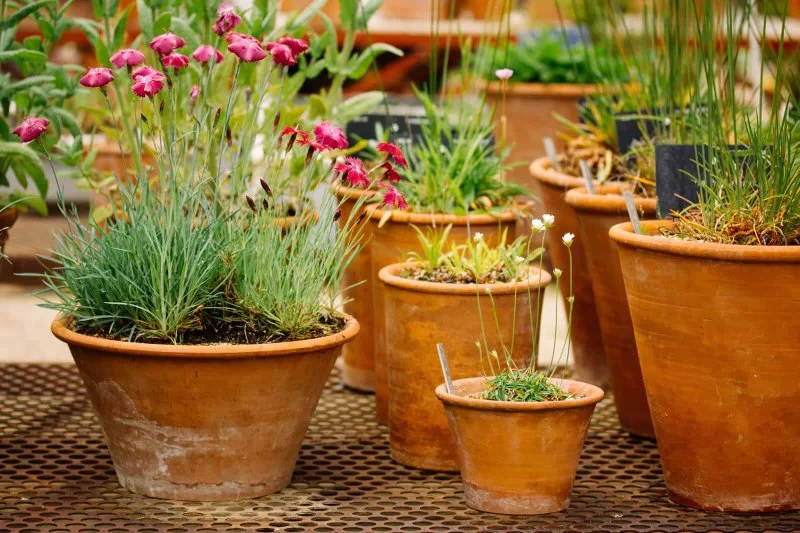
Terracotta pots are one of the easiest ways to introduce natural materials into a garden. Their warm colors create contrast against green plants and can instantly make outdoor spaces feel more welcoming.
Large terracotta containers can be used as statement pieces near entrances, patios, or garden corners. Smaller pots work well when grouped together to create layered displays with different plant heights and textures.
For example, a collection of terracotta pots filled with lavender, rosemary, ornamental grasses, and flowering plants can create a Mediterranean-inspired corner that feels relaxed and fragrant.
Using terracotta tiles and pathways
Terracotta tiles can add warmth and character to outdoor flooring. They are especially effective for patios, garden seating areas, and pathways where homeowners want a handcrafted appearance.
The natural variations in terracotta color prevent outdoor spaces from looking too uniform. Each tile has slightly different tones, creating a more organic visual effect.
When combined with gravel, stone borders, or surrounding greenery, terracotta pathways can guide visitors through the garden while adding a decorative element.
Terracotta water features and decorative accents
Terracotta can also be used creatively through fountains, sculptures, and garden ornaments. A clay fountain surrounded by plants can become a peaceful focal point while adding sound and movement to the landscape.
Small terracotta decorations should be used carefully. The goal is to enhance the natural environment rather than make the garden feel crowded. A few carefully selected pieces usually create a stronger effect than many unrelated decorations.
3. Using Other Natural Materials in Garden Design
Terracotta works beautifully on its own, but combining it with other natural materials creates a richer and more complete garden design. Different textures and colors help create depth and visual interest.
Natural stone for structure and durability
Stone is one of the most reliable materials for outdoor landscaping. It can be used for pathways, retaining walls, garden borders, seating areas, and decorative features.
Natural stone creates a sense of permanence. Whether using smooth river stones, rough limestone, granite, or slate, each type provides a different personality.
A garden using terracotta pots alongside stone pathways creates a beautiful contrast. The softness of clay balances the strength of stone, resulting in a landscape that feels both elegant and grounded.
Wood elements for warmth and comfort
Wood introduces a natural warmth that is difficult to replicate with artificial materials. Wooden benches, pergolas, fences, and raised garden beds can make outdoor spaces more functional and comfortable.
Cedar, teak, and other outdoor-friendly woods are popular choices because they can handle changing weather conditions when properly maintained.
A wooden seating area surrounded by terracotta containers and flowering plants can transform a simple backyard into a peaceful retreat.
Bamboo for sustainable garden features
Bamboo is another natural material that works well in garden environments. It grows quickly and provides a lightweight option for screens, fencing, decorative structures, and plant supports.
Bamboo can create privacy while maintaining a natural appearance. It is especially useful in gardens where homeowners want separation from neighbors without using large artificial barriers.
Gravel and organic ground coverings
Gravel, bark, mulch, and organic ground coverings are practical materials that also improve garden aesthetics. They help define areas, reduce maintenance, and create texture.
A gravel pathway surrounded by terracotta pots and native plants can create a simple yet sophisticated landscape design.
4. Creating Balance Between Plants and Natural Materials
The success of a natural garden design depends on how materials interact with plants. The goal is not simply adding beautiful objects but creating harmony between every element.
Matching colors and textures
Terracotta has warm earthy tones, which means it pairs especially well with plants that have soft greens, silver leaves, purple flowers, and natural textures.
Plants such as ornamental grasses, lavender, succulents, and Mediterranean herbs naturally complement terracotta because they share a relaxed, earthy appearance.
Creating layers in garden spaces
Professional designers often create gardens using layers. Taller plants provide background structure, medium-sized plants add volume, and smaller plants create detail near pathways and seating areas.
Natural materials should follow the same principle. Large stone features, medium-sized terracotta containers, and smaller decorative elements create a balanced composition.
Designing spaces around lifestyle needs
A beautiful garden should also be practical. Consider how the space will be used before selecting materials.
A family garden may benefit from durable stone pathways and wooden seating. A relaxing meditation corner may focus on bamboo screens, smooth stones, and calming plants. An entertaining area may use terracotta flooring and natural furniture to create an inviting atmosphere.
5. Sustainable Garden Landscaping With Natural Materials
Many homeowners are becoming more interested in environmentally responsible landscaping. Using natural materials is one way to create beautiful gardens while reducing dependence on synthetic products.
Reducing artificial materials outdoors
Plastic decorations and synthetic landscaping materials may provide temporary convenience, but they often do not age naturally and may need replacement over time.
Natural materials such as clay, stone, and wood can often last for many years when properly selected and maintained.
Supporting healthier garden ecosystems
Natural landscaping choices can support healthier outdoor environments. Organic mulch improves soil quality, stone features provide habitats for small creatures, and native plants reduce the need for excessive watering.
When terracotta containers are used correctly, they can provide excellent growing conditions for many plants because their breathable surfaces help regulate moisture.
Choosing locally sourced materials
Another important aspect of sustainable garden design is choosing materials from nearby sources whenever possible. Local stone, regional wood, and locally produced clay products can reduce transportation impacts while creating a stronger connection to the surrounding environment.
6. Professional Tips for Creating a Timeless Natural Garden
Designing a garden with terracotta and natural materials does not require a large budget. The most successful outdoor spaces usually come from thoughtful planning rather than expensive additions.
Start with one strong design idea
Instead of adding many different materials randomly, choose a consistent theme. A Mediterranean garden might focus on terracotta, stone, herbs, and drought-resistant plants. A woodland garden might emphasize wood, moss, and natural stone.
Allow materials to age naturally
One of the greatest advantages of natural materials is that they improve with time. Slight weathering often adds personality and makes a garden feel more authentic.
Terracotta pots may develop deeper colors, wood may gain character, and stone may blend more naturally into the landscape.
Focus on quality over quantity
A few well-selected natural elements usually create a stronger visual impact than many inexpensive decorations. A large terracotta planter, a carefully placed stone pathway, or a beautiful wooden seating area can define an entire garden.
Create a garden that reflects your personality
The best gardens tell a story about the people who use them. Some homeowners prefer peaceful spaces filled with soft textures, while others enjoy colorful gardens designed for entertaining.
Learning how to use terracotta and natural materials in garden design allows homeowners to create outdoor areas that feel authentic, comfortable, and connected to nature.
By combining earthy materials, thoughtful plant choices, and sustainable design practices, any outdoor space can become a place where people enjoy spending time for years to come.

 Brad's Proscapes Inc | Landscaping & Hardscapes5.0 (17 reviews)
 Happy Green Services4.0 (82 reviews)
 R & J Landscaping and Concrete4.0 (16 reviews)
 LDT Property Management0.0 (0 reviews)
 Nature's Perspective Landscaping4.0 (52 reviews)
 Pedraza Lawn and Landscaping llc5.0 (17 reviews)
 How to Prevent & Treat Common Lawn Diseases
 How to Plan an Entryway Garden That Welcomes Guests: Design Tips and Ideas
 How to Grow a Stunning Native Wildflower Border
 How to Use Shade & Sun Zones to Maximize Space: Smart Outdoor Design Tips
 How to Build a Dry Creek Bed for Drainage & Visual Appeal
 How to Balance Formal & Informal Garden Styles – Expert Landscaping Tips