
- choosing-outdoor-lighting-fixtures-for-your-home
- understanding-different-types-of-outdoor-lighting
- matching-lighting-with-landscape-design-and-home-style
- outdoor-lighting-placement-and-functionality
- energy-efficient-outdoor-lighting-options
- common-outdoor-lighting-mistakes-to-avoid
- professional-landscape-lighting-tips
- creating-the-perfect-outdoor-space-with-lighting
How to Choose the Right Outdoor Lighting Fixtures for Your Home
Outdoor lighting does much more than brighten a yard after sunset. The right outdoor lighting fixtures can completely transform your property by improving safety, highlighting architectural features, creating comfortable entertainment areas, and adding personality to your landscape design. Whether you are updating a backyard patio, improving curb appeal, or designing a complete outdoor living space, choosing the right lighting requires thoughtful planning.
Many homeowners begin searching for outdoor lighting after noticing that their beautiful landscape disappears once the sun goes down. A carefully designed lighting system allows gardens, walkways, trees, water features, and outdoor structures to remain visually appealing throughout the evening. Good lighting does not simply make a space brighter; it creates atmosphere and guides how people experience the outdoors.
At Beautiful Landscapes, homeowners can explore professional landscaping solutions and design ideas that help create outdoor spaces where lighting works naturally with plants, architecture, and overall property style.

Understanding Different Types of Outdoor Lighting Fixtures
1. Pathway Lighting for Safety and Style
Pathway lights are among the most popular outdoor lighting fixtures because they provide both practical and decorative benefits. These fixtures illuminate walkways, garden paths, driveways, and steps, helping family members and guests move safely around the property.
A common mistake is choosing pathway lights only based on brightness. In reality, spacing, height, and placement are equally important. Lights that are too close together may create an overly bright runway effect, while fixtures placed too far apart may leave uncomfortable dark areas.
A professional approach focuses on creating soft pools of light that guide movement while maintaining the natural beauty of the landscape. This is especially effective in gardens with curved pathways, stone walkways, or areas surrounded by plants.

K & R Landscaping, Inc.
11952 S Spaulding School Dr, Plainfield, IL 60585, USA
2. Landscape Spotlights and Accent Lighting
Spotlights are designed to highlight specific features of your outdoor environment. They are often used to showcase large trees, sculptures, fountains, textured walls, or architectural details.
For example, a mature oak tree can become a dramatic nighttime focal point when illuminated from below. This technique, often called uplighting, creates depth and allows homeowners to enjoy landscape features after dark.
Accent lighting should be used carefully. Too many bright spotlights can make a yard feel unnatural. The goal is to create visual interest by emphasizing important features rather than flooding the entire property with light.
3. Outdoor Wall Lights and Entry Lighting
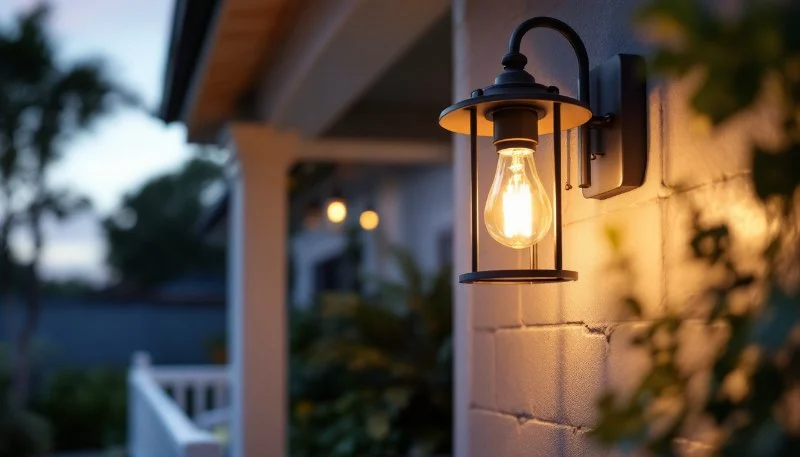
Entry areas create the first impression of a home, and outdoor wall lights play an important role in welcoming guests. These fixtures improve visibility around doors, garages, and exterior walls while adding architectural character.
When selecting wall-mounted fixtures, homeowners should consider the style of their home. Modern houses may benefit from clean geometric designs, while traditional homes often look better with classic lantern-style fixtures.
Matching Lighting With Landscape Design and Home Style
1. Consider Your Property’s Architecture
One of the most important steps in choosing the right outdoor lighting fixtures is matching them with your home’s existing design. Lighting should feel like a natural extension of the property rather than an unrelated decoration.
A contemporary home with simple lines may look best with minimalist LED fixtures, while a Mediterranean-style house may benefit from warm-toned fixtures with decorative details. The right choice creates harmony between the building and outdoor environment.
2. Complement Plants and Natural Features
Landscape lighting should work together with nature. Different plants respond differently to nighttime illumination. Tall trees, colorful flowers, shrubs, and textured plants can all create unique visual effects when properly lit.
For example, soft lighting placed behind ornamental grasses can create beautiful silhouettes. Lighting a flowering tree from below can emphasize seasonal changes and bring attention to areas that might otherwise go unnoticed.
3. Think About the Mood You Want to Create
Outdoor lighting is closely connected to emotion. Bright white lights may feel energetic and practical, while warmer tones often create a relaxing and inviting atmosphere.
Many homeowners now design outdoor spaces as extensions of their indoor living areas. Patios, decks, and outdoor kitchens benefit from lighting choices that encourage people to stay outside longer and enjoy evening gatherings.
Outdoor Lighting Placement and Functionality
1. Identify Key Areas Before Installation
Before purchasing outdoor lighting fixtures, walk around your property during the evening. This simple step helps identify dark areas, safety concerns, and features that deserve attention.
Consider areas such as:
- Front entrances and walkways
- Driveways and parking areas
- Patios and outdoor seating spaces
- Gardens and planting beds
- Swimming pools and water features
- Outdoor kitchens and entertainment zones
Each area requires a different lighting approach. A pathway needs guidance lighting, while an outdoor dining area requires comfortable illumination for conversation and meals.
2. Use Layered Lighting Techniques
Professional landscape designers often use layered lighting because a single type of fixture rarely creates the best result. Layering combines different lighting methods to create depth and balance.
A well-designed backyard may include:
- Ambient lighting for general visibility
- Accent lighting for decorative features
- Task lighting for cooking or activities
- Safety lighting around steps and pathways
This approach creates a more natural and comfortable outdoor environment.
Energy-Efficient Outdoor Lighting Options
1. Benefits of LED Outdoor Lighting
LED technology has changed the way homeowners approach outdoor lighting. Modern LED outdoor lighting fixtures use less energy, last longer, and provide consistent performance compared with traditional bulbs.
For homeowners interested in reducing maintenance and energy costs, LED fixtures are often an excellent investment. They are available in many styles, allowing homeowners to combine efficiency with attractive design.
2. Solar Lighting Solutions
Solar-powered outdoor lights have become increasingly popular because they are easy to install and operate without electrical wiring. They work especially well for pathways, garden accents, and decorative areas.
However, solar lighting performance depends on sunlight exposure. Areas shaded by trees or buildings may not receive enough energy for consistent nighttime brightness.
3. Smart Outdoor Lighting Systems
Technology has also introduced smart lighting systems that allow homeowners to control outdoor fixtures through mobile devices or automated schedules.
Smart controls can improve convenience by adjusting brightness, creating lighting schedules, and reducing unnecessary energy use. For homeowners who frequently entertain outdoors, these systems provide additional flexibility.
Common Outdoor Lighting Mistakes to Avoid
1. Using Too Much Bright Light
One of the most common mistakes homeowners make is assuming that brighter lighting always creates a better result. Excessive brightness can make outdoor spaces feel uncomfortable and can reduce the beauty of the surrounding landscape.
Effective outdoor lighting focuses on balance. Soft, strategically placed illumination often creates a more luxurious appearance than strong lights placed everywhere.
2. Ignoring Light Color Temperature
Color temperature affects how outdoor spaces feel. Cooler lighting can create a modern appearance, while warmer lighting often produces a cozy and welcoming environment.
Choosing the right color temperature depends on your home style, landscaping, and personal preference. Many residential landscapes benefit from warmer tones because they blend naturally with plants and outdoor materials.
3. Forgetting Maintenance Requirements
Outdoor lighting fixtures are exposed to weather conditions throughout the year. Dirt, moisture, leaves, and changing seasons can affect performance.
Selecting durable fixtures and planning easy access for maintenance can help your lighting system remain attractive and functional for years.
Professional Landscape Lighting Tips for Better Results
1. Highlight Features Instead of Everything
Professional designers understand that outdoor lighting works best when it creates focus. Instead of illuminating every corner, select important features that deserve attention.
A beautifully lit tree, garden sculpture, or water feature can create a stronger visual impact than a yard filled with random lights.
2. Consider Seasonal Changes
Landscapes change throughout the year. Plants grow, flowers bloom, and trees lose leaves. Good lighting design considers these changes so the system continues to look attractive in every season.
Flexible fixtures that can be adjusted are especially valuable because they allow homeowners to modify lighting as the landscape develops.
3. Create Outdoor Living Experiences
Modern homeowners increasingly view outdoor spaces as additional rooms. Lighting plays a major role in making patios, decks, and gardens comfortable after sunset.
A well-designed outdoor lighting system can turn an ordinary backyard into a place for family dinners, celebrations, relaxation, and entertainment.
Creating the Perfect Outdoor Space With Lighting
Choosing the right outdoor lighting fixtures is about combining function, beauty, and personal style. The best lighting design improves safety while enhancing the natural features of your property.
Whether you are updating a small garden, designing a complete backyard renovation, or improving curb appeal, thoughtful lighting choices can make a significant difference. The right fixtures highlight architecture, showcase landscaping, and create an inviting atmosphere for everyone who visits your home.
With careful planning and professional guidance from Beautiful Landscapes, homeowners can create outdoor environments that remain beautiful long after the sun goes down. Outdoor lighting is not just an accessory; it is an important design element that brings landscapes to life.




 Arriaga Pavers & Landscaping, LLC.4.0 (102 reviews)
 Lukes & Company Landscape LLC0.0 (0 reviews)
 Marco Hernandez Landscaping4.0 (7 reviews)
 T and J Landscaping Supply, L.L.C.5.0 (16 reviews)
 Gotta Guy and Girl LLC. Landscape Maintenance4.0 (14 reviews)
 Rafael Landscaping INC3.0 (7 reviews)
 Best Ways to Stage Your Front Yard for Curb Appeal
 How to Use Companion Planting to Reduce Pests
 How to Landscape Around a Pool With Height & Depth
 How to Choose the Right Outdoor Lighting Fixtures
 How to Turn a Sloped Yard Into a Usable Outdoor Space
 How to Build a Garden That’s Easy to Update Over Time