
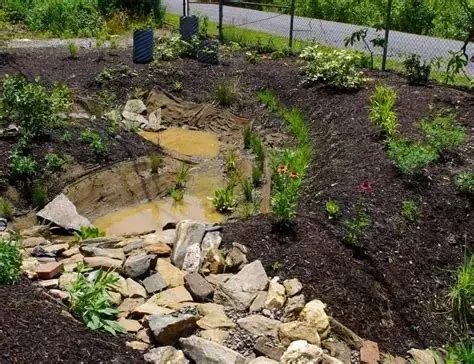
- understanding-rain-gardens
- benefits-of-rain-garden-design
- choosing-the-right-location
- planning-rain-garden-structure
- selecting-plants-for-stormwater-control
- building-a-functional-rain-garden
- maintenance-tips-for-long-term-success
- professional-rain-garden-landscape-solutions
Create a Sustainable Outdoor Space With a Natural Stormwater Solution
Heavy rainfall can quickly turn a beautiful yard into a problem area. Water pooling near foundations, washing away soil, flooding garden beds, and carrying pollutants into local waterways are common challenges many homeowners face. A thoughtful rain garden design offers a natural solution by capturing stormwater where it falls and allowing the landscape to manage excess water more effectively.
Unlike traditional drainage systems that quickly move water away, rain gardens work with nature. They collect runoff from roofs, driveways, patios, and other hard surfaces, then slowly filter the water through soil and plants. This process reduces erosion, supports healthier landscapes, and creates a visually attractive garden feature.
For homeowners interested in sustainable landscaping, learning how to capture stormwater naturally is an opportunity to improve both the beauty and function of outdoor spaces. Beautiful Landscapes helps property owners create environmentally responsible designs that combine practical water management with attractive garden features.

Summit Lawn Care Services
LafayetteTippecanoe CountyIndiana
829 Braxton Dr N, Lafayette, IN 47909, USA
Understanding How Rain Gardens Work
1. The Basic Purpose of a Rain Garden
A rain garden is a specially designed planting area that collects and absorbs rainwater runoff. It is typically placed in a lower section of a yard where water naturally flows or where runoff can be redirected from downspouts and paved surfaces.
The purpose is not to create a permanent pond. Instead, a properly designed rain garden temporarily holds water after rainfall and allows it to gradually soak into the ground. Most rain gardens drain within a short period, helping prevent mosquito problems while still providing important environmental benefits.

2. The Natural Filtration Process
Rainwater traveling across roofs and pavement can collect dirt, chemicals, fertilizers, and other pollutants. When this runoff enters a rain garden, layers of soil, mulch, and plant roots help filter those materials before the water reaches groundwater systems.
Native plants play an especially important role because their root systems improve soil structure and increase water absorption. Over time, the garden becomes a natural filtration system that supports the surrounding ecosystem.
3. How Rain Gardens Differ From Traditional Drainage
Many traditional drainage solutions focus only on removing water quickly. While this may solve immediate flooding problems, it can increase pressure on storm drains and contribute to downstream erosion.
A rain garden takes a different approach. Instead of treating rainfall as a problem to eliminate, it treats water as a valuable resource that can support plants, wildlife, and healthier soil.
Why Rain Garden Design Is Becoming More Popular
1. Reducing Stormwater Runoff Problems
Urban and suburban areas often contain large amounts of concrete, asphalt, and compacted soil. These surfaces prevent water from naturally soaking into the ground, causing increased runoff during storms.
Rain garden design helps restore some of the natural water cycle by creating spaces where rainfall can slow down and infiltrate the soil. This reduces pressure on drainage systems and helps protect properties from water-related damage.
2. Supporting Local Wildlife
A well-planned rain garden can become a small habitat for birds, butterflies, bees, and beneficial insects. Native flowering plants provide food sources and shelter while adding seasonal beauty to the landscape.
Many homeowners enjoy seeing their outdoor spaces become more active with wildlife. A rain garden transforms an area that once collected unwanted water into a lively and meaningful garden feature.
3. Improving Landscape Beauty
Some people imagine stormwater solutions as unattractive or purely functional. Modern rain gardens prove that environmental responsibility and beautiful design can work together.
With the right combination of plants, textures, and garden shapes, a rain garden can become one of the most interesting areas of a property. Layered plant heights, seasonal colors, and natural curves create a landscape feature that looks intentional rather than purely practical.
Choosing the Best Location for a Rain Garden
1. Studying Water Movement Around Your Property
The first step in creating a successful rain garden is understanding how water moves through the landscape. Watch your yard during and after rainfall. Identify areas where water collects naturally or where downspouts release large amounts of runoff.
A good location usually receives water but should not remain saturated all the time. The goal is to capture stormwater temporarily, not create a permanently wet area.
2. Keeping Proper Distance From Structures
Placement is important for protecting your home. Rain gardens should generally be positioned away from building foundations, septic systems, and areas where excess moisture could create problems.
Careful planning ensures the garden improves drainage rather than creating new water issues.
3. Considering Sunlight and Plant Needs
Plants need the right growing conditions to thrive. Before selecting a location, consider how much sunlight the area receives throughout the day.
Some rain garden plants prefer full sun, while others perform better in partial shade. Matching plants to the environment reduces maintenance and improves long-term success.
Designing a Functional and Attractive Rain Garden
1. Creating the Right Shape and Size
Rain gardens can be designed in many shapes depending on the landscape. Curved designs often blend naturally with gardens, while geometric shapes may work better in modern outdoor spaces.
The size depends on factors such as roof area, soil type, and expected rainfall. A larger drainage area usually requires a larger garden space to handle runoff effectively.
2. Building Layers for Better Water Absorption
A successful rain garden usually includes several layers:
The surface layer contains plants and mulch that protect the soil. Beneath that, specially prepared soil helps absorb and filter water. Deeper layers improve drainage and prevent standing water.
These layers work together to create a balanced environment where plants receive enough moisture without becoming overwhelmed.
3. Adding Decorative Features
Rain gardens do not have to look purely functional. Decorative stones, pathways, edging, and natural borders can enhance the design.
Many homeowners combine rain gardens with patios, outdoor seating areas, or existing garden beds to create a connected landscape design.
Choosing Plants That Thrive in Rain Gardens
1. The Importance of Native Plants
Native plants are often the best choice because they are adapted to local climate conditions and soil environments. They usually require less maintenance and provide better support for local ecosystems.
Deep-rooted native plants are especially valuable because they improve soil structure and help water move deeper into the ground.
2. Combining Different Plant Types
A successful rain garden includes a variety of plants. Ground covers protect soil, flowering plants add color, and taller grasses create structure.
This layered approach creates a garden that looks attractive throughout different seasons.
3. Creating Year-Round Interest
Good landscape design considers every season. Spring flowers, summer blooms, fall colors, and winter textures all contribute to a garden’s appearance.
Choosing plants with different seasonal features ensures that the rain garden remains attractive long after the first planting.
Steps to Build a Rain Garden That Works
1. Preparing the Site
The area should be cleared of unwanted vegetation and prepared according to soil conditions. Testing drainage ability helps determine whether additional soil improvements are needed.
2. Improving Soil Conditions
Healthy soil is essential for stormwater absorption. Adding appropriate organic materials can improve structure and create better growing conditions for plants.
3. Installing Plants and Protective Mulch
After shaping the garden and preparing soil, plants can be installed according to their water tolerance and sunlight requirements.
Mulch helps maintain moisture, reduce weeds, and protect the soil surface during heavy rainfall.
Maintaining a Rain Garden Over Time
1. Regular Plant Care
Like any garden, a rain garden requires basic maintenance. Watering may be necessary during dry periods while plants establish strong root systems.
Once mature, many native plants become relatively low-maintenance and can handle changing weather conditions.
2. Managing Weeds and Debris
Removing invasive plants and clearing leaves or debris helps maintain proper water flow. Occasional maintenance keeps the garden healthy and attractive.
3. Monitoring Drainage Performance
After major storms, observe how the garden handles rainfall. Water should collect temporarily and gradually disappear rather than remain for extended periods.
Small adjustments over time can improve performance and keep the garden functioning effectively.
Creating a Sustainable Landscape With Expert Design
A successful rain garden requires a balance between environmental function and visual design. Soil conditions, plant selection, drainage patterns, and overall landscape style all influence the final result.
For homeowners who want to create an attractive outdoor space while managing stormwater naturally, professional landscape planning can make the process easier and more successful. Beautiful Landscapes provides creative landscaping approaches that help transform everyday yards into sustainable, beautiful environments.
A rain garden is more than a solution for excess water. It is an investment in a healthier landscape, a stronger ecosystem, and a more enjoyable outdoor space. By choosing the right design, plants, and placement, homeowners can capture stormwater naturally while creating a garden feature that adds lasting beauty and value.


 Arriaga Pavers & Landscaping, LLC.4.0 (102 reviews)
 Lukes & Company Landscape LLC0.0 (0 reviews)
 Marco Hernandez Landscaping4.0 (7 reviews)
 T and J Landscaping Supply, L.L.C.5.0 (16 reviews)
 Gotta Guy and Girl LLC. Landscape Maintenance4.0 (14 reviews)
 Rafael Landscaping INC3.0 (7 reviews)
 Best Ways to Stage Your Front Yard for Curb Appeal
 How to Use Companion Planting to Reduce Pests
 How to Landscape Around a Pool With Height & Depth
 How to Choose the Right Outdoor Lighting Fixtures
 How to Turn a Sloped Yard Into a Usable Outdoor Space
 How to Build a Garden That’s Easy to Update Over Time