
- understanding-diy-vs-professional-landscaping
- benefits-of-diy-landscaping
- challenges-of-diy-landscaping
- advantages-of-professional-landscaping
- cost-comparison-between-diy-and-professional-landscaping
- choosing-the-right-landscaping-approach
Understanding DIY vs Professional Landscaping: Which Option Fits Your Home?
Improving your outdoor space is one of the most rewarding home projects you can take on. A well-designed yard can increase curb appeal, create a relaxing outdoor environment, and even add long-term value to your property. However, many homeowners face the same question before starting a project: should you handle landscaping yourself or hire a professional?
The decision between DIY landscaping and professional landscaping depends on many factors, including your budget, available time, experience level, project size, and the complexity of your vision. Some homeowners enjoy getting their hands dirty and creating a garden piece by piece, while others prefer working with experts who can transform an outdoor area efficiently and professionally.
Understanding the advantages, disadvantages, and landscaping cost differences between these two approaches can help you make a smarter choice for your home. Whether you want a simple flower garden, a complete backyard makeover, or a full outdoor living space, choosing the right approach can determine the success of your project.
Why Your Landscaping Choice Matters
Landscaping is more than planting flowers and maintaining grass. Modern residential landscaping combines design, construction, environmental planning, and personal lifestyle preferences. A successful landscape design considers factors such as sunlight, drainage, soil quality, climate, plant selection, and how the space will actually be used.
A homeowner who wants a small vegetable garden may have a completely different project compared with someone creating a backyard entertainment area with patios, outdoor kitchens, lighting, and water features.
For homeowners looking for inspiration, planning assistance, or landscape improvement ideas, Beautiful Landscapes can provide helpful options for creating outdoor spaces that match different styles, budgets, and property needs.

Benefits of DIY Landscaping
1. Lower Initial Landscaping Costs
One of the biggest reasons homeowners choose DIY landscaping is the potential savings. Labor costs often represent a significant portion of professional landscaping expenses. By completing the work yourself, you can reduce the overall project budget and spend more money on plants, materials, and decorative features.
For example, installing a small garden bed may require only soil, mulch, plants, and basic gardening tools. A professional landscaping company would also include design time, transportation, labor, and business costs.
For homeowners working with a limited budget, DIY projects can make outdoor improvements more affordable. Small upgrades such as planting trees, creating flower borders, adding garden paths, or refreshing mulch can dramatically improve the appearance of a property without requiring a large investment.
2. Creative Freedom and Personal Satisfaction
DIY landscaping allows homeowners to personally control every detail of their outdoor space. You can select plants you love, experiment with different designs, and adjust your project as your ideas develop.
Many people enjoy landscaping because it creates a direct connection between themselves and their home. Planting a tree, building a garden bed, or designing a relaxing outdoor corner can create a sense of accomplishment that is difficult to achieve through hiring someone else.
A homeowner named Sarah from Ohio shared a common DIY experience. She started with a small backyard planting project during the spring and gradually expanded it over several years. What began as a few flower beds eventually became a personalized outdoor retreat with native plants, seating areas, and decorative landscaping elements.
3. Flexible Project Timeline
Another advantage of DIY landscaping is flexibility. Professional contractors often schedule projects weeks or months in advance, while DIY homeowners can work whenever their schedule allows.
You can complete a project slowly over weekends instead of paying for a complete installation. This approach works well for homeowners who enjoy gardening as a hobby rather than viewing landscaping as a one-time renovation.
Challenges of DIY Landscaping
1. Time Commitment and Physical Labor
Although DIY landscaping can save money, it requires significant time and effort. Digging, hauling materials, preparing soil, planting, and maintaining gardens can become physically demanding.
Many homeowners underestimate how much work a landscaping project requires. A weekend project may turn into several weeks of preparation, especially when dealing with large areas, poor soil conditions, or complex designs.
Tasks such as removing old landscaping, leveling uneven ground, installing drainage systems, or building hardscape features require patience and careful planning.
2. Limited Experience Can Lead to Mistakes
Landscaping mistakes can become expensive. Choosing plants that cannot survive local weather conditions, placing trees too close to structures, or ignoring drainage problems may create long-term issues.
For example, planting a tree without considering its mature size can eventually damage sidewalks, foundations, or underground systems. Similarly, installing plants that require more water than your area can provide may increase maintenance costs.
Professional landscape designers understand these challenges because they work with different properties and environmental conditions regularly.
3. Equipment and Material Costs
DIY landscaping does not always mean inexpensive landscaping. Larger projects may require specialized tools, transportation, and construction materials.
Installing a patio, retaining wall, irrigation system, or outdoor lighting may require equipment that many homeowners do not already own. Renting tools can reduce expenses, but these costs should still be included when comparing DIY and professional landscaping options.
Advantages of Professional Landscaping
1. Expert Design and Planning
One of the biggest benefits of professional landscaping is access to expert knowledge. Landscape professionals understand how to combine beauty, function, and long-term maintenance requirements.
A professional landscape design considers important details such as:
- Plant compatibility and growth patterns
- Drainage and water management
- Seasonal appearance changes
- Outdoor living requirements
- Property layout and architectural style
This planning helps prevent expensive mistakes and creates a more balanced outdoor environment.
2. Faster Project Completion
Professional landscaping teams have experience, equipment, and resources that allow them to complete projects faster than most homeowners can manage alone.
A backyard renovation that might take a homeowner several months could potentially be completed by professionals within a shorter timeframe. This is especially valuable for homeowners preparing their property for an event, selling their home, or creating an outdoor space before a specific season.
3. Better Results for Complex Projects
Large-scale landscaping projects often require professional skills. Examples include:
- Retaining walls
- Large patios
- Outdoor kitchens
- Water features
- Landscape lighting systems
- Complete yard renovations
These projects involve technical considerations that go beyond basic gardening. Professional installation can improve durability, safety, and overall appearance.
Cost Comparison Between DIY and Professional Landscaping
Typical DIY Landscaping Expenses
The cost of DIY landscaping varies widely depending on project size and materials. Small projects may cost only a few hundred dollars, while larger DIY renovations can reach several thousand dollars.
Common DIY expenses include:
- Plants and trees
- Soil and compost
- Mulch and decorative stone
- Gardening tools
- Outdoor furniture
- Lighting materials
The main advantage is that homeowners control where their money goes and can complete improvements gradually.
Professional Landscaping Expenses
Professional landscaping costs depend on project complexity, location, materials, and labor requirements. Simple landscape improvements may be relatively affordable, while complete outdoor renovations can require a larger investment.
Professional services may include:
- Landscape design consultation
- Site preparation
- Plant installation
- Irrigation setup
- Hardscape construction
- Landscape maintenance planning
Although professional landscaping usually costs more upfront, the investment can provide long-term benefits through improved design quality, reduced maintenance problems, and increased property appeal.
Choosing the Right Landscaping Approach for Your Project
1. Evaluate Your Project Size
The size and complexity of your project should influence your decision. Small improvements such as planting flowers, refreshing garden beds, or adding decorative features are often excellent DIY opportunities.
However, larger projects involving construction, drainage, electrical systems, or major property changes are usually better handled by professionals.
2. Consider Your Available Time
Ask yourself how much time you realistically have available. Landscaping requires ongoing attention, not just initial installation.
If gardening is enjoyable and relaxing for you, DIY landscaping can become a rewarding hobby. If your schedule is already full, professional landscaping may provide better value by saving your time.
3. Balance Budget and Long-Term Value
The cheapest option is not always the most affordable in the long run. Poor planning can create additional expenses later, while quality landscaping can improve your home's appearance and usability for years.
Many homeowners choose a combination approach: completing smaller projects themselves while hiring professionals for specialized work. This hybrid strategy allows homeowners to save money while still benefiting from expert knowledge where it matters most.
Real-Life Example: Combining DIY Creativity with Professional Expertise
Consider a homeowner planning a complete backyard transformation. Instead of hiring professionals for every detail, they may work with a landscape designer to create a plan, then handle simple planting and decoration themselves.
The homeowner saves money while avoiding major design mistakes. The professionals handle complicated elements such as grading, irrigation, and hardscape installation, while the homeowner adds personal touches through plants, furniture, and garden decorations.
This approach reflects a growing trend among homeowners who want personalized outdoor spaces without completely managing every technical challenge alone.
Making a Smart Landscaping Investment
The decision between DIY landscaping and professional landscaping is not about choosing one option for every situation. Both approaches have valuable benefits depending on your goals, skills, and budget.
DIY landscaping offers creativity, flexibility, and cost savings. Professional landscaping provides expertise, efficiency, and high-quality results for complex projects.
By carefully evaluating your needs and understanding the true landscaping cost involved, you can create an outdoor space that enhances your home and lifestyle.
Whether you are planning a small garden update or a complete outdoor transformation, thoughtful planning is the foundation of successful landscaping. Beautiful Landscapes can help homeowners explore ideas and solutions for creating attractive, functional, and lasting outdoor environments.
 Arriaga Pavers & Landscaping, LLC.4.0 (102 reviews)
 Lukes & Company Landscape LLC0.0 (0 reviews)
 Marco Hernandez Landscaping4.0 (7 reviews)
 T and J Landscaping Supply, L.L.C.5.0 (16 reviews)
 Gotta Guy and Girl LLC. Landscape Maintenance4.0 (14 reviews)
 Rafael Landscaping INC3.0 (7 reviews)
 Best Ways to Stage Your Front Yard for Curb Appeal
 How to Use Companion Planting to Reduce Pests
 How to Landscape Around a Pool With Height & Depth
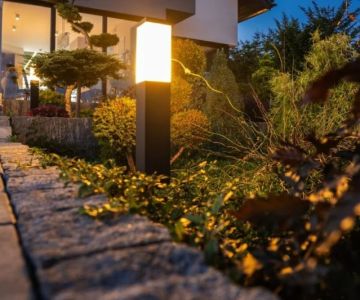
 How to Choose the Right Outdoor Lighting Fixtures
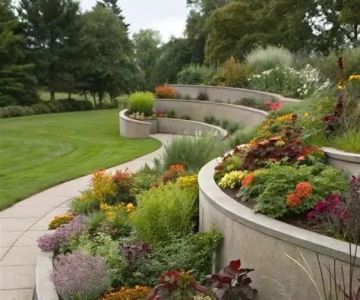
 How to Turn a Sloped Yard Into a Usable Outdoor Space
 How to Build a Garden That’s Easy to Update Over Time