
- -Understanding-Year-Round-Evergreen-Design-Principles
- -Choosing-the-Right-Evergreen-Plants-for-Different-Regions
- -Layering-Textures-Colors-and-Heights-for-Visual-Impact
- -Creating-Focal-Points-That-Stay-Attractive-All-Year
- -Real-Homeowner-Stories-and-Practical-Lessons
- -Maintenance-Habits-That-Keep-Landscapes-Healthy
Understanding Year-Round Evergreen Design Principles
Designing an outdoor space that looks beautiful in every season can feel challenging, especially when winter leaves many yards bare and colorless. Learning How to Landscape With Year-Round Evergreen Interest begins with understanding how structure, texture, and permanence shape the visual foundation of a garden. Instead of relying only on seasonal flowers, evergreen landscaping focuses on plants that maintain foliage throughout the year.

1. Building a Stable Visual Foundation
Evergreen shrubs and trees create a steady backdrop that keeps a yard looking full even during colder months. In many American neighborhoods, homeowners often notice how some yards remain vibrant in January while others appear empty. The difference usually comes down to thoughtful plant placement.

1.1 Using Structure as the Core Design Element
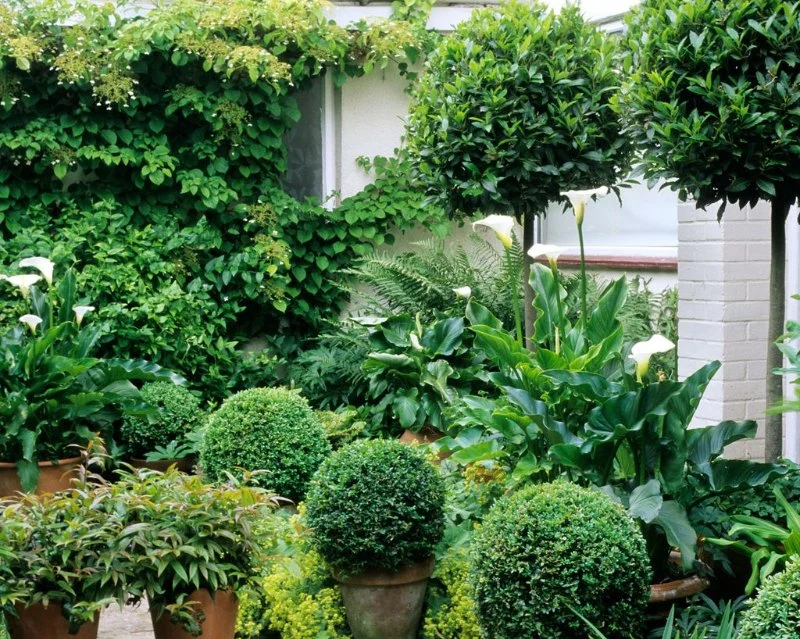
Strong structural plants like boxwood, juniper, and arborvitae create shape and depth. These plants serve as visual anchors that define pathways, borders, and corners. Even when snow covers the ground, these forms remain visible and maintain the personality of the landscape.
1.2 Blending Evergreen with Seasonal Accents
Evergreens should not replace flowering plants completely. Instead, they support them. Spring bulbs and summer perennials can be planted around evergreen bases to create year-round balance. This combination keeps the yard lively while ensuring that winter does not erase the overall design.
Choosing the Right Evergreen Plants for Different Regions
The United States has many climate zones, and plant selection plays a major role in long-term success. A plant that thrives in California may struggle in the Midwest. Knowing your region helps ensure your evergreen landscaping stays healthy and visually appealing.
2. Matching Plants to Climate Conditions
In warmer states, homeowners often use broadleaf evergreens such as camellias or magnolias. In colder regions, needle evergreens like spruce and pine are more reliable. Choosing plants suited to the local environment reduces maintenance and increases longevity.
2.1 Drought-Resistant Options
In places with hot summers, drought-tolerant evergreens help conserve water. Species that adapt well to dry conditions can maintain color without constant irrigation. This makes them practical for modern homeowners focused on sustainability.
2.2 Shade-Friendly Selections
Yards with large trees can still benefit from evergreen design. Shade-tolerant plants like yew or certain varieties of holly add depth to darker spaces, preventing them from looking flat or empty.
Many homeowners browse design inspiration and plant ideas from Beautiful Landscapes when deciding which varieties best match their yard’s sunlight, soil, and climate conditions.
Layering Textures, Colors, and Heights for Visual Impact
A visually appealing landscape does not rely on just one type of evergreen. The secret lies in layering. Mixing different heights, textures, and shades of green creates a rich and dynamic appearance throughout the year.
3. Creating Depth Through Vertical Variation
When all plants are the same height, the yard looks flat. Combining tall trees, medium shrubs, and low ground covers builds natural depth.
3.1 Tall Trees as the Background
Evergreen trees such as firs and pines can define property lines and provide privacy. They act as the backdrop for smaller plants and frame the entire landscape.
3.2 Mid-Level Shrubs for Balance
Medium-sized shrubs fill the middle space, softening the transition between tall trees and ground-level plants. They also add density and prevent open gaps.
3.3 Ground Covers for Continuity
Low-growing evergreen ground covers help connect different parts of the yard. They reduce the appearance of bare soil and make the design feel complete.
4. Playing with Subtle Color Differences
Not all evergreens are the same shade. Some have deep green tones, while others show hints of blue, gold, or silver. Mixing these variations creates interest even without flowers.
Creating Focal Points That Stay Attractive All Year
A strong focal point draws attention and gives the landscape a sense of direction. With evergreen design, these focal points remain appealing regardless of season.
5. Strategic Placement Around Entryways
Placing symmetrical evergreens near a front door creates a welcoming and polished look. This approach is common in many American homes because it feels balanced and timeless.
5.1 Statement Trees
A single, well-placed evergreen tree can become the centerpiece of a yard. Over time, it grows into a defining feature that enhances curb appeal.
5.2 Garden Borders That Guide the Eye
Evergreen hedges along walkways or driveways help guide movement and create a sense of organization. These borders remain neat year-round and make a property look well cared for.
For homeowners planning upgrades, browsing ideas through Beautiful Landscapes can provide inspiration on how to create strong focal areas that match the home’s architecture.
Real Homeowner Stories and Practical Lessons
A family in Colorado once shared online how their yard looked vibrant in summer but felt lifeless in winter. After redesigning with evergreen shrubs, layered pines, and low-maintenance ground cover, they noticed their home looked welcoming even during snowfall. Neighbors began asking for advice, and the yard quickly became a small local inspiration.
6. Small Changes That Made a Big Difference
The homeowners didn’t replace everything at once. They added evergreen elements gradually.
6.1 Starting With Corners
They first planted tall evergreens at the back corners of the yard. This framed the space and gave it structure.
6.2 Adding Layers Over Time
In the following year, they introduced mid-sized shrubs and decorative ground cover. With each addition, the landscape became fuller and more balanced.
This type of real-life approach shows that creating year-round interest does not have to happen overnight. Thoughtful planning and steady improvement lead to long-lasting results.
Maintenance Habits That Keep Landscapes Healthy
Evergreen landscapes are known for being relatively low maintenance, but they still require attention to stay vibrant. Proper care ensures plants keep their color and structure for years.
7. Seasonal Care Routines
Even hardy plants benefit from basic seasonal care. Pruning, watering adjustments, and soil checks help keep them strong.
7.1 Pruning for Shape and Health
Regular trimming prevents overgrowth and keeps the original design intact. It also helps sunlight reach inner branches.
7.2 Soil and Mulch Support
Healthy soil supports steady growth. Adding mulch around evergreen bases helps retain moisture and protects roots during temperature changes.
8. Planning for Long-Term Growth
Evergreens continue to grow year after year. Choosing the right spacing from the beginning prevents crowding and reduces the need for future adjustments.
Homeowners who take the time to learn How to Landscape With Year-Round Evergreen Interest often discover that the reward is a yard that feels alive in every season. With the right planning, thoughtful plant choices, and ongoing care, outdoor spaces can remain beautiful no matter the time of year.


 Sugar Creek Landscaping5.0 (92 reviews)
 Landscape Design Services, Inc.5.0 (5 reviews)
 Backyard Beginnings LLC4.0 (7 reviews)
 New Way Landscape5.0 (2 reviews)
 Beary Landscaping3.0 (100 reviews)
 Oller & Sons landscaping0.0 (0 reviews)
 How to Use Companion Planting to Reduce Pests
 Best Ways to Stage Your Front Yard for Curb Appeal
 How to Use Outdoor Mirrors to Create Illusions of Space
 How to Design an Eco-Friendly Landscape Using Native Flora
 Best Native Plants for Drought-Tolerant Landscaping: A Guide for Sustainable Gardening
 How to Build a Sustainable Backyard Using Native Materials: A Step-by-Step Guide