
How to Plant in Layers for Continuous Color and Interest
- Understanding the Basics of Layered Planting
- Benefits of Layered Planting for Your Garden
- Choosing the Right Plants for Each Layer
- Tips for Designing a Layered Garden
- Seasonal Color with Layered Planting
Understanding the Basics of Layered Planting
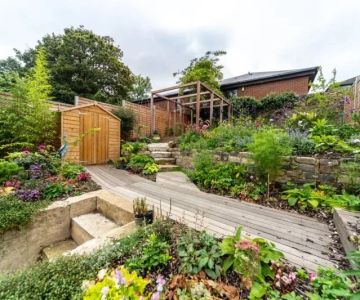
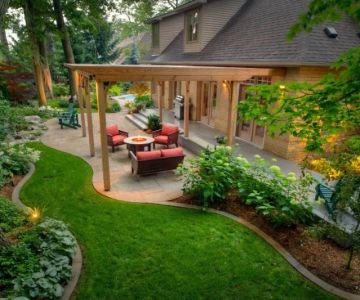
Layered planting is a gardening technique that involves arranging plants in multiple levels or tiers, creating a dynamic and vibrant garden. This technique allows gardeners to make the most of their available space while enhancing the visual appeal of their landscape. By stacking plants of varying heights, colors, and textures, you can create a garden that offers interest year-round.

Benefits of Layered Planting for Your Garden
There are numerous benefits to layered planting, including:
- Maximizing Space: Layering allows you to plant more in smaller spaces, making it ideal for urban gardens or smaller backyards.
- Continuous Color and Texture: With the right selection of plants, you can achieve a garden that stays colorful and visually engaging throughout the seasons.
- Improved Plant Health: Layered planting allows for better airflow and light distribution, contributing to healthier plants and reducing the risk of disease.
Choosing the Right Plants for Each Layer
When planning a layered garden, it’s important to select plants that will thrive in their respective layers. Here’s a breakdown of the different layers in a layered garden:
- Top Layer (Canopy or Trees): Tall trees or shrubs provide structure to the garden and can be used to create shade for smaller plants. These should be deciduous or evergreen depending on the seasonal effect you desire.
- Middle Layer (Shrubs or Small Trees): These plants add depth to the garden and are the focal point for the middle ground. Choose a variety of flowering or evergreen shrubs for year-round appeal.
- Ground Layer (Groundcovers and Perennials): Groundcovers like creeping thyme or low-growing perennials such as lavender or hostas add texture and color while helping to suppress weeds and retain moisture in the soil.
- Accent Layer (Annuals and Flowers): Annuals and seasonal flowers are ideal for adding bursts of color to your garden. They can be rotated throughout the year for variety and seasonal interest.
Tips for Designing a Layered Garden
Creating a well-designed layered garden involves more than just stacking plants. Here are some tips to help you achieve a balanced and beautiful layered garden:
- Consider Plant Height and Spacing: Ensure that taller plants are placed towards the back of the garden or in the center if viewed from all sides, with shorter plants in the front or edges to create depth.
- Layer for Texture: Mix plants with different leaf shapes and textures. Combining plants with smooth, shiny leaves with those having a more rugged or feathery texture creates visual interest.
- Choose Plants with Varied Bloom Times: Select plants that bloom at different times throughout the year. This ensures that your garden remains colorful and engaging year-round.
Seasonal Color with Layered Planting
One of the best aspects of layered planting is the ability to maintain color throughout the changing seasons. By choosing plants that bloom in different seasons, you can ensure your garden looks beautiful at all times. For example:
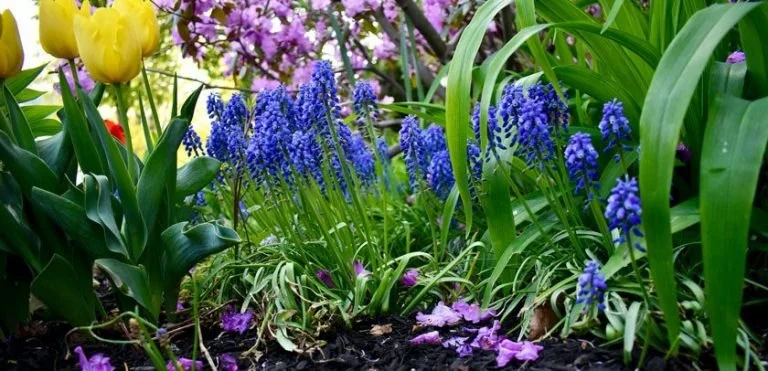
- Spring: Early bloomers like crocuses, daffodils, and tulips can fill the top and middle layers of your garden, while low-growing groundcovers such as moss or creeping thyme bloom in early spring.
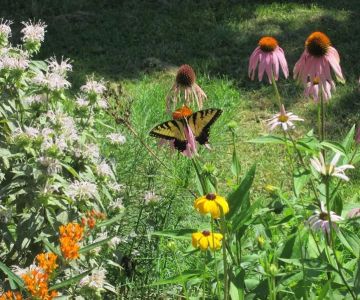
- Summer: Add color with summer perennials like coneflowers, daylilies, and black-eyed Susans. These plants will thrive in the middle and ground layers.
- Fall: Fall provides an opportunity to incorporate late-blooming flowers such as chrysanthemums, asters, and ornamental grasses that can provide texture and interest even as the season changes.
- Winter: While the winter months may be quiet, evergreen shrubs, and trees will keep the garden visually appealing. You can also include plants with interesting bark or berries, such as holly or witch hazel, for added visual interest.
By carefully planning and selecting the right plants for each layer, you can create a garden that stays vibrant, full of color, and engaging all year round. Whether you're creating a lush garden for your backyard or designing a smaller space, layered planting techniques can help you make the most of your garden’s potential. For more information on designing beautiful landscapes and choosing the right plants, check out Beautiful Landscapes for the best gardening tips and products.
 Brown Enterprises Landscaping4.0 (10 reviews)
 Cory's Landscaping and Design, LLC1.0 (1 reviews)
 Coulee Region Landscape & Design LLC5.0 (8 reviews)
 Amelon Lawn Care LLC5.0 (3 reviews)
 Ewing Landscape LLC3.0 (2 reviews)
 Madison Green Team4.0 (26 reviews)
 How to Shield Plants From Strong Winds in Your Yard
 How to Choose Outdoor Furniture That Complements Landscape
 How to Reduce Maintenance with Smart Plant Grouping
 How to Plan a Garden for Succession Blooming
 How to Plan an Entryway Garden That Welcomes Guests
 How to Build Garden Steps That Look Natural