Beautiful Landscapes
Beautiful LandscapesLandscaping InsightsLandscapers Near Me
IllinoisIndiana

Beautiful LandscapesLandscaping Insights

How to Combine Different Plant Heights for Depth in Your Garden Design

How to Combine Different Plant Heights for Depth in Your Garden Design

The Importance of Using Different Plant Heights in Garden Design

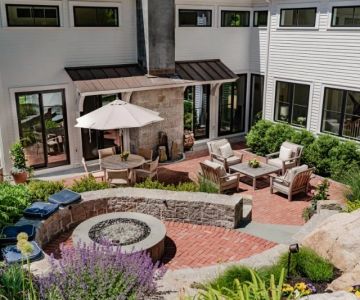
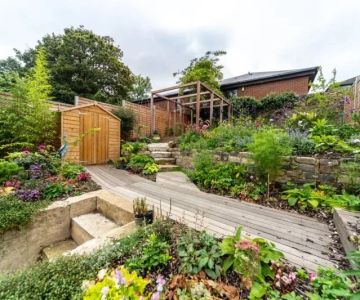
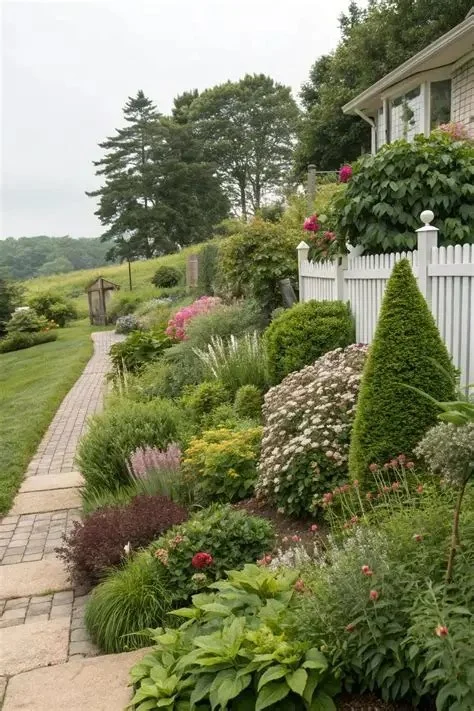
One of the most effective ways to create visual interest and depth in your garden is by incorporating a variety of plant heights. In a well-designed garden, plants of different sizes and shapes interact to create a layered effect that gives the space more dimension. This not only enhances the overall aesthetic of your garden but also draws the eye through the space, making it appear more expansive and dynamic.Using different plant heights allows for better organization and structuring within the garden. Taller plants at the back, medium plants in the middle, and shorter plants in the front create a natural flow that mimics the layering of nature itself. This technique helps your garden look more cohesive and balanced.

Tips for Combining Plant Heights for Depth

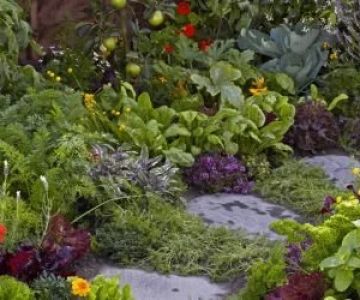
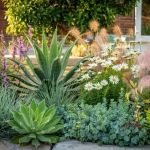
Creating depth in your garden involves a thoughtful combination of plant heights. Here are some tips to ensure your garden feels balanced and visually appealing:Layer Plants by Height: Start by planting taller plants towards the back of your garden or flower bed, gradually moving down to shorter plants in the front. This creates a cascading effect that leads the eye through the garden.Use Odd Numbers: Group plants in odd-numbered clusters, such as 3 or 5. Odd numbers tend to look more natural and organic, making your garden appear less staged and more harmonious.Consider Seasonal Changes: Mix plants that vary in height and bloom time. By incorporating plants with different growth cycles, you can ensure that your garden remains visually appealing throughout the year, even as individual plants go out of bloom.Create Focal Points: Tall plants, such as ornamental grasses or shrubs, can serve as focal points in the design. Use them strategically to draw attention to certain areas of your garden and create visual interest.Vary Plant Textures: Combining different textures (e.g., broad-leaf plants with tall, thin grasses) can enhance the feeling of depth. Textural contrast draws attention to different parts of the garden and makes it feel fuller.

How to Create Layers with Plants to Add Visual Depth

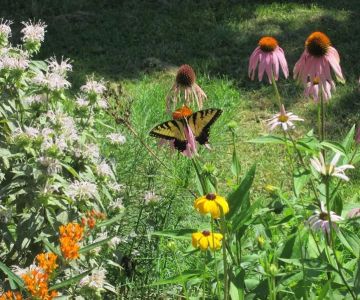
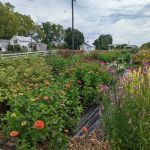
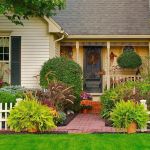
Creating layers with plants is an art that requires a bit of planning and consideration of each plant’s role in the overall design. Here’s how to effectively layer plants for depth:Back Layer – Tall Plants: The back layer of your garden should feature tall plants such as trees, large shrubs, or towering flowers like sunflowers and hollyhocks. These create a backdrop for the rest of your garden while adding height and structure. Ensure they are spaced properly to avoid overcrowding.Middle Layer – Medium Height Plants: In the middle layer, include plants that reach medium heights, such as perennials or medium-sized shrubs. These can include plants like lavender, hydrangeas, or peonies. They provide balance between the taller plants and the lower ones, filling out the garden while still allowing the taller plants to stand out.Front Layer – Low Growing Plants: The front layer should contain shorter plants, such as ground covers, grasses, or low-growing flowers like pansies or thyme. These plants help fill in the foreground and provide a smooth transition between your garden and the ground. They also prevent the soil from being exposed, keeping the garden looking lush.Plant Spacing: Don’t forget to consider the spacing between your plants to give them room to grow. Overcrowding can lead to competition for nutrients, and it may result in a less aesthetically pleasing, chaotic look. Proper spacing ensures that each plant has its space to thrive and contribute to the overall design.

Examples of Garden Designs with Varied Plant Heights

Here are a few examples of how different plant heights can be combined to create depth in your garden:Cottage Garden Design: A traditional cottage garden is known for its relaxed, informal feel. Combining tall plants like hollyhocks and delphiniums with medium-height plants like roses and daisies, and low-growing ground covers like creeping thyme, can create a layered, vibrant display. The variety of heights gives the garden a charming, whimsical quality.Formal Garden Design: A formal garden design can also benefit from plant height variation. For example, use tall boxwoods at the back, medium-height lavender or roses in the middle, and low-growing ground covers like moss or ivy in the front. This creates a well-structured, orderly look with depth and dimension.Tropical Garden Design: Tropical gardens often feature a mix of towering palms, tall grasses, and shrubs combined with smaller, colorful plants like ferns and hostas at ground level. The use of different heights adds to the lush, layered feel of the garden, mimicking the look of a tropical rainforest.

Common Mistakes to Avoid When Combining Plant Heights

When working with plant heights in your garden, it’s easy to make mistakes that can affect the overall design. Here are some common pitfalls to avoid:Overcrowding Plants: While it’s tempting to fit as many plants into a space as possible, overcrowding can hinder growth and make your garden look cluttered. Ensure there’s enough space between plants to allow for proper growth and airflow.Too Much Symmetry: While symmetry can be appealing in some designs, too much can make a garden feel rigid and unnatural. Instead, focus on creating an organic flow with varied plant heights to achieve a more dynamic and pleasing layout.Ignoring Plant Growth: Consider how tall plants will grow over time. What may seem like a balanced design now can become crowded and unbalanced as plants mature. Be sure to plan for future growth to avoid having to make adjustments later.Lack of Focal Points: A garden without a clear focal point may feel flat and uninteresting. Make sure to include taller plants or decorative features, such as statues or garden structures, to create a visual center and guide the viewer’s eye.

Choosing the Right Plants for Depth in Your Garden

When selecting plants for your garden, consider their height, growth habits, and bloom times. Look for plants that suit your garden's climate, soil, and light conditions. Some popular plant choices for varying heights include:Tall Plants: Sunflowers, hollyhocks, and ornamental grasses like pampas grass.Medium Plants: Lavender, peonies, and hydrangeas.Low Plants: Creeping thyme, ground covers like moss, and small flowers like pansies.By selecting plants with a range of heights and characteristics, you can create a garden that feels dynamic, layered, and full of depth. For guidance on selecting the best plants for your specific space, check out Beautiful Landscapes, where you'll find expert recommendations and quality gardening products to bring your vision to life.

Popular Blog Posts

Categories

Top Visited Sites

Trending Landscaping Insights Posts